
Online Casino in South Africa Is Not as Straightforward as the Lobby Makes It Look

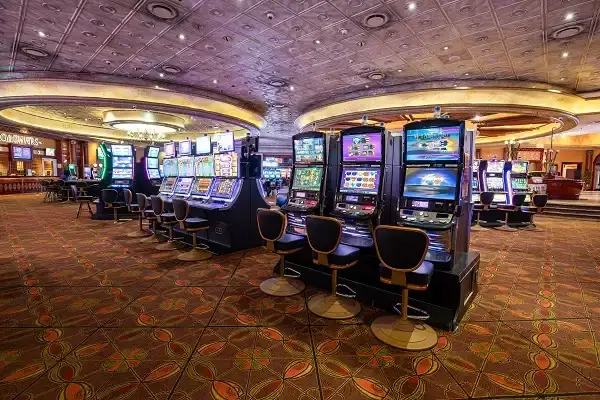
Spend a few minutes on a South African betting site and the layout can make everything look simple. Football sits in one part of the menu, casino-style games in another, and the same account seems to carry you through the whole thing. That is where the confusion starts. The screen makes it look like one product. The rules behind it do not.
The website can look more modern than the law
South Africa allows licensed online sports betting, but traditional interactive online casino gambling is still prohibited under the current national framework. That sounds like a very clear line until you actually look at how modern platforms are built. A sportsbook can have colourful game sections, instant games and casino-looking products sitting only a tap away from football or rugby markets. To the person using the site, there is no obvious border between one category and the next. The law, however, still cares about that border.
A polished site tells you almost nothing
This is another awkward part of the market. A platform can look completely legitimate. Good mobile design, fast payments, familiar games, proper customer support, the whole lot. None of that answers the licensing question. For online casino south africa users, the useful information is usually buried somewhere much less exciting: the operator details at the bottom of the site. Licensed bookmakers should show which provincial authority regulates them. That small line of text matters more than the size of the game library. It is not glamorous, but it is the part worth checking.
Overseas casino sites make the picture even messier
South Africans can easily find international casino sites online. That does not mean those sites are locally licensed. The internet does not care very much about national borders, which is exactly why this gets confusing. A site can load perfectly, accept registrations and look as professional as anything operating locally. From the user’s side, it may feel available. Legally, that is not the same thing as being permitted. That gap between “I can access it” and “it is licensed here” is probably one of the biggest reasons the South African market feels harder to read than it should.
Casino-style games have blurred the old categories
The old distinction used to be easy to imagine. Sportsbook over here. Casino over there. Online platforms have made that picture much less tidy. Crash games, instant games and other casino-style formats can sit inside betting platforms and use the same wallet, login and mobile interface as ordinary sports markets. The technology has moved faster than the language people use to describe it. Someone may simply say they are playing at an online casino even when the platform itself is legally structured around betting. That does not make the difference unimportant. It just makes it harder to see from the homepage.
South Africa is still a market in between two versions of itself
That is probably the most accurate way to describe it. The digital gambling experience already looks modern. The apps are modern. The payments are modern. The game lobbies are modern. The legal structure is much more cautious. There has been discussion around changing the way remote gambling is regulated, but discussion is not the same as a new legal regime already being in place. For now, anybody looking at online casino-style entertainment in South Africa has to pay attention to something players in some other markets barely think about: what exactly is being offered, and under which licence. The interesting part is that none of this is obvious from the screen. The lobby can look like one big casino. The rules underneath it are still much more complicated.

